About Us
Welcome to Philippine Fisheries Development Authority - Davao Fish Port Complex
Vision
Mission
We, in the Philippine Fisheries Development Authority, are committed to:
- Serve as the Authority that ensures safe and accessible fishery and food products for the Filipino People
- Converge with the public and private sectors leveraging on collective resources
PFDA Core Values
Professionalism– Excellence and dedication in what we do
Fortitude– Strength from unity and adaptability
Diversity– Respect individuality and empower togetherness
Accountability– Own one’s actions and ensure transparency
Established in 1995, the Davao Fish Port Complex (DFPC) is the seventh commercial fish port operated and administered by the Philippine Fisheries Development Authority (PFDA) of the Department of Agriculture. It is the second major fish port complex established in the Mindanao area, next to the Zamboanga Fish Port Complex (the third being the General Santos Fish Port Complex which started operations in 1998).
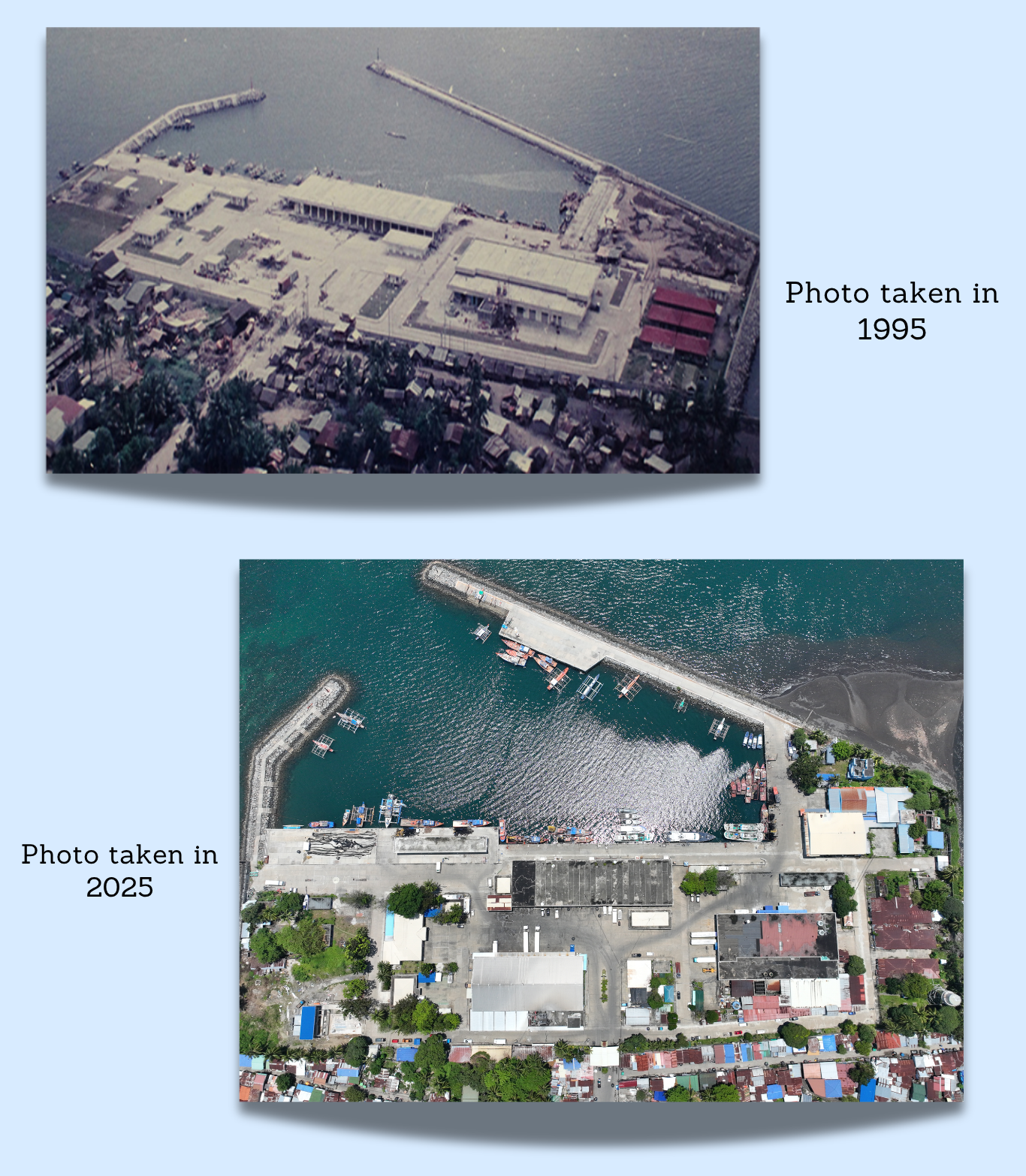
Davao Fish Port Complex
This 4.5-hectare port is straddles in Barangay Daliao and Lizada Toril, Davao City, which seventeen kilometers south of downtown Davao City, through the funding assistance from the then Overseas Economic Cooperation Fund (OECF), now the Japan Bank for International Cooperation (JBIC).
is the only port in the country that is authorized to provide transshipment services to foreign fishing vessels. This was legitimized by the Memorandum of Agreement signed by several government agencies like the Bureau of Customs, Bureau of Fisheries and Aquatic Resources, Department of Agriculture, Philippine Fisheries Development Authority, Bureau of Immigration among others in 1995.
The port’s standard and basic operations include, among others, berthing and unloading of fish catch by domestic fishing vessels.It also serves as a center for the collection, processing, storage and packaging of fishery and other marine products for distribution to both domestic and export markets. Its initial year of operations saw a number of foreign long-line vessels utilizing its facilities thereby making it an alternative transshipment port in the Asia Pacific Region. Its strategic location and its most modern commercial fishery post-harvest infrastructures have made it a center of trade within the East Asean Growth Area ( EAGA) along with its counterparts in General Santos City and Zamboanga City.
All foreign fishing vessels calling port at the DFPC are duly accredited by the Bureau of Fisheries and Aquatic Resources (BFAR) and the Philippine Fisheries Development Authority (PFDA).
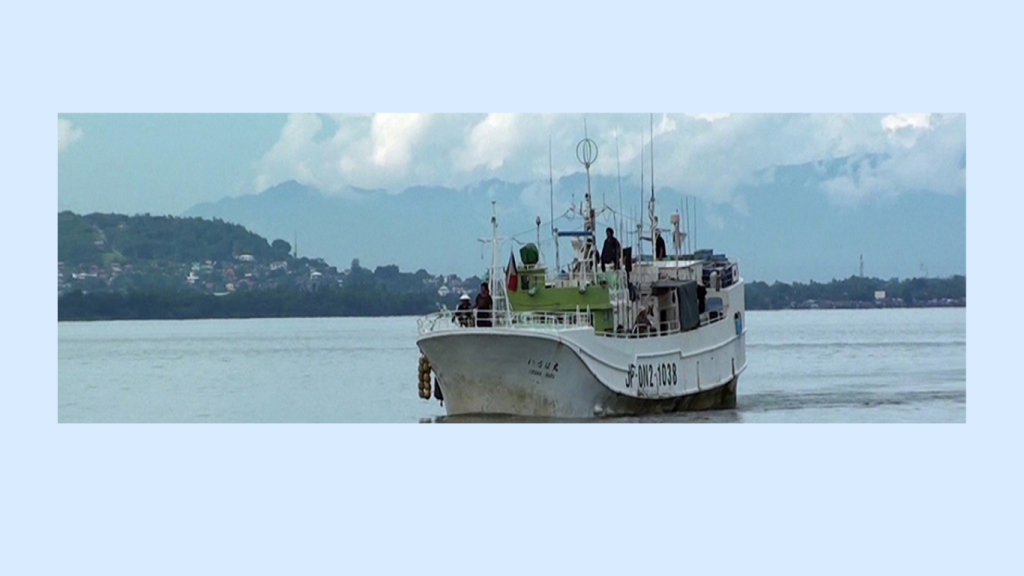
The port’s transshipment operation
was further legitimized by Section 42 of the Philippine Fisheries Code of 1998 which required all foreign fishing vessels wishing to avail of transshipment facilities in the Philippines “to call only at duly designated government owned or –controlled regional fish port complexes” and the issuance of the two DA Fishery Administrative Orders (No. 199 and No. 195) which both outline and/or delineate fish transshipment and importation of fish and other fishery products. In addition, a Memorandum Circular promulgated by the Philippine Coast Guard through the National Mapping and Resource Information Authority (NAMRIA) delineates and institutes designated navigational sea-lanes for the entry into and exit from the Philippine waters of these fishing vessels.
Since fish transshipment is highly considered as an emerging and viable industry worldwide, the Philippines may now compete as an alternative transshipment point similar to those found in other countries like Singapore, Indonesia, Thailand, Guam, Palau and other smaller island states of the Federated States of Micronesia. By having a world-class transshipment port like the Davao Fish Port Complex (DFPC), we would now be in the best position to compete globally in producing tuna and other tuna-like species, considered as important fishery resource common to all coastal states.
While many have viewed the onset of fish transshipment in the region as a threat to the growth of the local fishing industry, closer analyses however would prove that it does in fact create a positive impact to the growth of the local economy and the fishing industry in particular. It contributes largely to the the raw material requirements (tuna) of fish processors in both General Santos City and Davao City.
Offloading of tuna and other fish cargoes by foreign fishing vessels in our ports, either in the form of transshipment or straight importation, is an economic activity that has started incidentally, and not by any conscious effort, because of the highly migratory nature of fish like tuna and its being a global/regional product.
Total Unloadings (MT)
Local, Foreign and Overland
2023
2024
2025
2026 as of this month
Would you like to do business with us?
Reach out to us today and discover the quality, reliability, and service we can offer.